Understanding Vitamin C and Its Relationship to Autism
Vitamin C, or ascorbic acid, is a vital nutrient known for its role in various bodily functions. In recent years, interest has grown regarding its potential relationship to autism spectrum disorders (ASDs). Here’s a comprehensive overview of vitamin C, its benefits and how it may relate to autism.
Key Points About Vitamin C and Autism
What is Vitamin C?
- Essential Nutrient: Vitamin C is crucial for the growth and repair of tissues, the formation of collagen, and the absorption of iron.
- Antioxidant Properties: It helps combat oxidative stress, which can influence overall health.
Research on Vitamin C and Autism
- Oxidative Stress: Some studies suggest that individuals with autism may experience higher levels of oxidative stress. This raises questions about whether increasing vitamin C intake could mitigate these effects.
- Nutritional Deficiencies: Research indicates that many children with autism may have nutritional deficiencies, including vitamin C. Ensuring adequate intake could support overall health and development.
- Behavioral Improvements: A study showed improvement on the Ritvo-Freeman scale for the group given vitamin C suppplementation vs the control group.
Anecdotal Evidence
- Parents and caregivers often share personal experiences about the positive effects of vitamin C on behavioral and health-related issues in children with autism. While anecdotal, these stories have led to some research on the matter.
Practical Advice for Incorporating Vitamin C
- Dietary Sources: Include foods rich in vitamin C, such as:
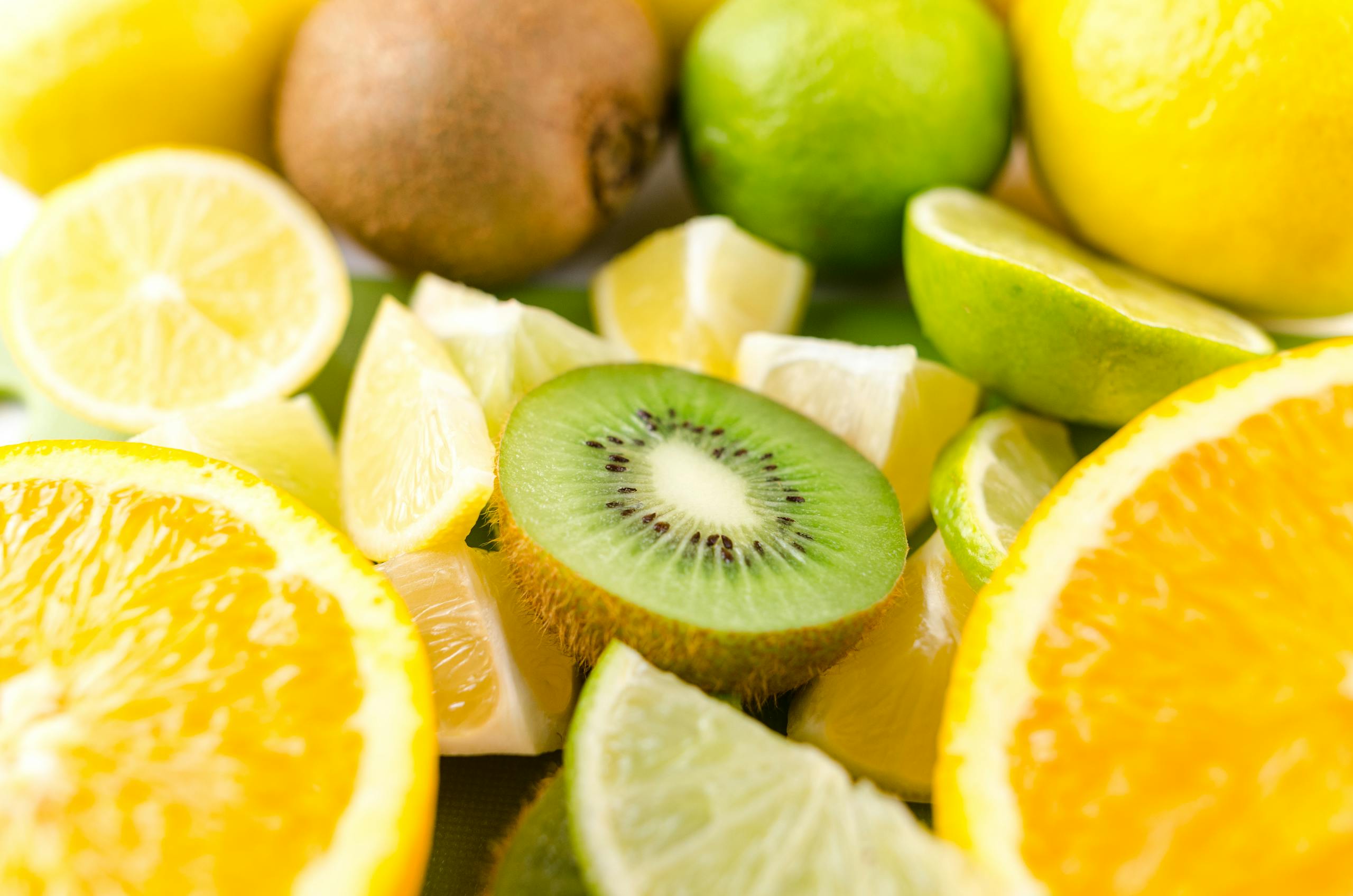
- Citrus fruits (oranges, grapefruits)
- Berries (strawberries, blueberries)
- Vegetables (bell peppers, broccoli)
- Supplementation: If considering supplements, consult a healthcare professional to determine the appropriate dosage and to discuss any potential interactions with medications.
- Monitor Behavior: Keep track of any changes in behavior or health after adjusting dietary habits. Documenting these changes can provide useful insights to discuss with healthcare providers.
Picky Eaters and Vitamin C
Many children, especially those on the autism spectrum, can be picky eaters. This can lead to:
- Limited Nutritional Intake: Picky eaters may avoid fruits and vegetables, which are primary sources of vitamin C. This can result in nutritional deficiencies that impact their overall health.
- Heightened Sensitivities: Sensory sensitivities often play a role in food preferences, making it crucial for caregivers to explore diverse ways to introduce vitamin C-rich foods.
Strategies for Dealing with Picky Eating
- Introduce Gradually: Start with small portions of vitamin C-rich foods alongside familiar favorites to encourage acceptance.
- Creative Preparation: Get inventive with food presentation by blending fruits into smoothies or adding veggies into sauces.
- Smoothies and Juices: These can be a great way to include fruits like oranges, strawberries and kiwis without overwhelming picky eaters.
- Supplementation: Although the best way to incorporate vitamin C is through a healthy diet, supplements can be helpful as well. Many multivitamins such as chewable options will have vitamin C and be easier to add to a picky eaters diet.
Conclusion
While there’s ongoing research into the relationship between vitamin C and autism, the nutrient’s fundamental role in overall health should be considered for all people. It is essential for families to approach dietary changes thoughtfully and in consultation with healthcare professionals. By understanding the connection between nutrition and autism, families can empower themselves with knowledge and advocate for the health and well-being of their loved ones.